






Bruner GMC Chevy Stephenville Group

Blog / Bruner Chrysler Dodge Jeep Ram

Blog

All Bruner Chrysler Dodge Jeep Ram Automotive Industry Buyer's Guide Car News Car Maintenance Chevy Silverado 1500 Chevy dealership GMC dealership Chevy Equinox GMC Sierra 1500 2026 Chevy Silverado 1500 Chevy Silverado 2500 HD Chevy Silverado 3500 HD Chevy Trax Pre-owned Vehicles Chevy Suburban Chevy Tahoe Day Trips Financing GMC Acadia GMC Canyon GMC HUMMER EV SUV GMC Sierra 2500 HD GMC Yukon GMC Yukon XL Leasing Local Restaurants
Tire Replacement - Stephenville, TX

When to Replace Your Tires

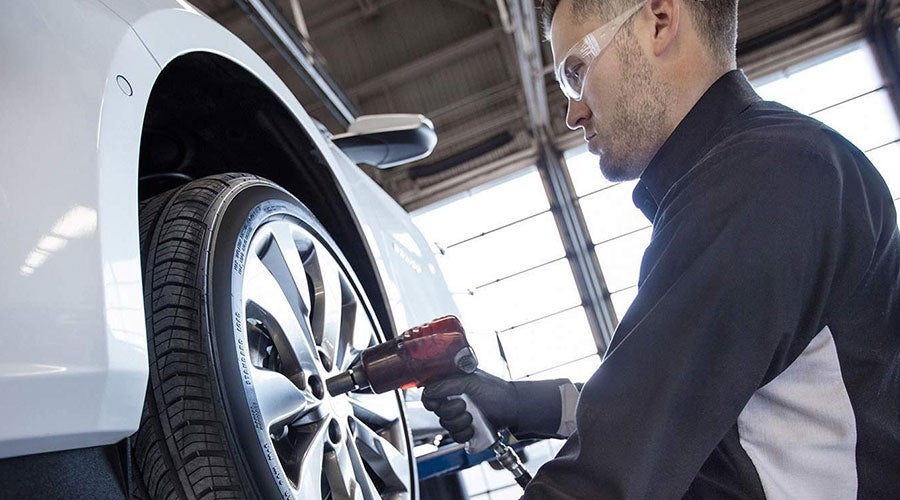
When to Replace Your Tires: Signs It's Time for New Ones Knowing when to replace your vehicle’s tires is one of the most important things you can do to keep yourself and your passengers safe on the road in Stephenville, TX. Tires wear down gradually, and it can be easy to overlook the warning signs until a problem becomes serious. Here is what to watch for so you can stay ahead of it. The Tread Depth Test The most reliable indicator of when to replace tires is tread depth. Tires are considered unsafe when the tread wears down to 2/32 of an inch or less. A quick way to check is the penny test - insert a penny into the tread groove with Lincoln's head facing down. If you can see the top of his head, it is time to start shopping for new tires. Many tires also come with built-in tread wear indicators, which are small raised bars molded into the grooves. When those bars are flush with the surrounding tread, your tires have reached the end of their safe life. Visible Cracks, Bulges, and Sidewall Damage Even if the tread looks acceptable, the sidewall can tell a different story. Look for cracks, cuts, or bulges running along the side of the tire. These can indicate that the internal structure has been compromised, which puts you at risk for a blowout - especially at highway speeds. Bulges are particularly concerning because they often signal a weak spot where the tire could fail without warning. If you spot any sidewall damage, get the tire inspected right away. How Age Affects Your Tires Most tire manufacturers recommend replacing tires every 6 to 10 years, regardless of how much tread remains. Rubber degrades over time due to heat, UV exposure, and oxidation - even when a vehicle is not driven frequently. You can find the manufacturing date on the tire sidewall. Look for a four-digit code at the end of the DOT number - the first two digits are the week, and the last two are the year. If your tires are more than six years old, it is worth having them evaluated by a professional. Vibration and Uneven Wear Patterns If you notice unusual vibration while driving, especially at higher speeds, that could be a sign of an alignment issue, unbalanced tires, or internal tire damage. It is worth getting that checked promptly, as continued driving can accelerate wear. Uneven wear patterns are another signal. If the tread is wearing faster on one side or in the center versus the edges, it often points to improper inflation or an alignment problem. Either way, when you can see with your own eyes that your tires are wearing inconsistently, you need to have them inspected by a professional. Frequent Pressure Loss If a tire consistently loses air pressure between fill-ups, it may have a slow leak or a compromised valve stem. While a patch can sometimes fix a minor puncture, repeated pressure loss in an aging tire often means it is time for a replacement rather than a repair. Do Not Wait Too Long Understanding when your tires need to be replaced can mean the difference between a safe drive and a dangerous situation. Worn or damaged tires affect braking distance, handling, and overall control - particularly in wet or slippery conditions. Drivers in Stephenville, TX, can count on the team at Bruner Stephenville GM for guidance on tire health and vehicle maintenance. If you have questions about what to look for or need a professional inspection, contact us to learn more.

White GMC Sierra pickup on a road.

GMC Sierra 1500 Elevation vs. SLT: Which Trim Fits the Way You Use Your Truck?

If you're comparing the 2026 GMC Sierra 1500 Elevation and SLT, understanding the differences between these two trims can help you choose the right truck.. Both are built on the same capable foundation, share impressive technology, and offer the strength drivers expect from a GMC truck. If you're shopping for a 2026 GMC Sierra 1500 near Stephenville, TX, here's how these two trims compare. 2026 GMC Sierra 1500 Elevation Features The Elevation trim is easy to recognize thanks to its monochromatic design and blacked-out appearance. Gloss-black grille inserts, LED fog lamps, and 20-inch gloss-black painted aluminum wheels give it a clean, athletic look that appeals to drivers who prefer modern styling over traditional chrome. Inside, the cabin features Jet Black upholstery with a standard 40/20/40 front bench seat, creating a practical layout that works well for both work and daily driving. Buyers who want additional comfort can equip the Elevation with available leather-appointed seating, front bucket seats, wireless charging integrated into the center console, and a power sunroof. Technology is one area where the Elevation doesn't ask you to compromise. It comes equipped with a 13.4-inch diagonal GMC Premium Infotainment System touchscreen and a 12.3-inch diagonal Driver Information Center, creating one of the most advanced cabins in the full-size truck segment. For many buyers, the Elevation offers an ideal balance between everyday capability and distinctive styling. It's also a great place to begin if you're exploring our new GMC Sierra 1500 inventory. 2026 GMC Sierra 1500 SLT Features The SLT builds on everything the Elevation offers while shifting the focus toward premium comfort and capability. Its exterior replaces the blacked-out theme with chrome accents across the grille, bumpers, and door handles, giving the truck a more traditional upscale appearance. The biggest change comes with standard power. Every Sierra 1500 SLT is equipped with a 5.3L V8 engine, while buyers can also choose an available 6.2L V8 producing 420 hp or the available Duramax® 3.0L Turbo-Diesel engine producing 305 hp. Properly equipped, the Sierra 1500 can tow up to 13,300 lbs. Inside, the upgrades continue with standard 10-way power front outboard seats featuring power lumbar support, creating a more comfortable environment for long drives. Drivers who tow regularly can also add the available ProGrade Trailering System and available chrome wheel-to-wheel assist steps. Shared Features of the GMC Sierra 1500 Elevation and SLT No matter which trim you choose, you'll benefit from many of the Sierra 1500's standout features. Both trims offer the same impressive digital cockpit, combining the 13.4-inch infotainment touchscreen and 12.3-inch Driver Information Center for more than 40 inches of diagonal digital displays. Both also provide access to advanced trailering technology, multiple engine choices, and the capability that has made the Sierra 1500 one of the most versatile trucks on the road. If you're also comparing other GMC trucks or researching available towing technologies, browsing our GMC truck lineup and service resources can help you narrow your options even further. Compare the Sierra 1500 Elevation and SLT at Bruner GMC Stephenville The choice between the GMC Sierra 1500 Elevation and SLT comes down to your priorities. The Elevation stands out with bold styling and plenty of available upgrades, while the SLT adds a stronger standard V8 engine, more premium interior appointments, and additional convenience features from the factory. Visit our Chevrolet GMC dealership in Stephenville, TX, to compare both trims side by side, explore the full 2026 GMC Sierra 1500 lineup, or schedule a test drive online. Spending a little time behind the wheel is the best way to discover which Sierra feels like the right fit for your lifestyle.

Contact Us

Fill out this form below and we'll contact you shortly
*Required Fields