







Bruner GMC Chevy Stephenville Group

Blog / Automotive Industry

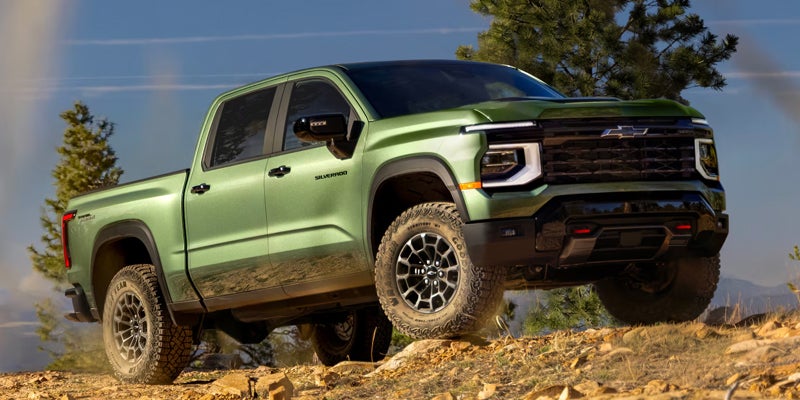
Chevy Silverado 1500 Towing Capacity Explained

Chevy Silverado 1500 Towing Capacity - Stephenville, TX

Chevy Silverado 1500 Towing Capacity: What Can It Actually Pull?

If you're shopping for a truck in Stephenville, TX, the Chevy Silverado 1500’s towing capacity is probably one of the first things on your mind. If you're towing a boat, a camper, or a work trailer, knowing what your truck can handle is essential. Getting this wrong can cost you in safety, performance, and long-term wear on your vehicle.

The good news is that the 2026 Chevrolet Silverado 1500 is built with serious capability in mind, offering a range of engine and configuration options that let you match the truck to your actual needs.

Engine Options and How They Affect Silverado 1500 Towing Capacity

The towing capacity for 1500 Chevy Silverado varies depending on which powertrain you choose, and there are several solid options available. A properly equipped Silverado 1500 can tow up to 13,300 lbs when paired with the right engine, cab configuration, and trailering package.

The available 6.2-L V8 engine delivers 420 hp and 460 lb-ft of torque and is often the go-to choice for drivers who need maximum pulling power. The 5.3-L V8 with 355 hp and 383 lb-ft of torque is a solid middle-ground option that handles most towing tasks with ease. If you prioritize efficiency without sacrificing capability, the turbocharged 2.7-L four-cylinder engine with 310 hp and a best-in-class 430 lb-ft of torque also offers competitive towing numbers for its class.

But if you want maximum towing power, you need the Duramax® 3.0L turbo-diesel engine. It puts out 305 hp and 495 lb-ft of torque, and with a 10-speed automatic transmission, it is the engine that reaches the Silverado’s max 13,300 lb towing capacity. It also has a best-in-class highway fuel economy of 28 MPG.

It's worth noting that max towing figures require the available Trailering Package, which adds a trailer hitch, wiring harness, and other components designed to optimize towing performance.

Cab and Bed Configurations That Impact Towing

Beyond the engine, your choice of cab and bed configuration also affects the towing capacity of Chevy Silverado 1500 models. Generally speaking, a Regular Cab paired with a long bed and two-wheel drive tends to yield higher tow ratings because of weight distribution and payload allowances. Crew Cab models with shorter beds may have slightly lower ratings due to the added weight of the cab.

Rear-wheel drive configurations also tend to produce higher tow ratings than four-wheel drive ones, though four-wheel drive offers clear advantages in rough terrain and off-pavement conditions.

Trailering Technology That Makes Towing Easier

Beyond raw numbers, the 2026 Silverado 1500 brings a suite of available trailering technologies that make the experience safer and more manageable. The available Trailer Camera system, Hitch Guidance with Hitch View, and an in-vehicle Trailering App help take the guesswork out of hitching up and monitoring your load on the road.

The towing capacity for 1500 Chevy Silverado gets even more practical with the available integrated Trailer Brake Controller, which works with the truck's systems to help maintain control when slowing down with a heavy trailer in tow.

What Can You Actually Tow with a Silverado 1500?

When you look at the Silverado's towing capacity in real-world terms, the numbers start to make sense. A properly equipped Silverado 1500 can comfortably handle a loaded horse trailer, a mid-size travel trailer, a ski boat, or a flatbed with equipment. For many recreational users and small business operators, this is exactly the kind of capability they need day to day.

Drivers throughout Stephenville, TX, who are hauling livestock, farm equipment, or recreational gear will find the Silverado 1500 more than up to the task across a wide range of scenarios.

Find Your Silverado 1500 at Bruner Stephenville GM

When you're ready to find a truck that matches your towing needs, the team at Bruner Stephenville GM is here to help. No matter if you're comparing trim levels, engine options, or configurations, they can help you identify the right Silverado 1500 setup for your lifestyle. Browse our new Chevy inventory online now and learn more about the Silverado 1500 towing capacity options available to you today.
Posted in:

Related Posts

Tire Replacement - Stephenville, TX

When to Replace Your Tires

When to Replace Your Tires: Signs It's Time for New Ones Knowing when to replace your vehicle’s tires is one of the most important things you can do to keep yourself and your passengers safe on the road in Stephenville, TX. Tires wear down gradually, and it can be easy to overlook the warning signs until a problem becomes serious. Here is what to watch for so you can stay ahead of it. The Tread Depth Test The most reliable indicator of when to replace tires is tread depth. Tires are considered unsafe when the tread wears down to 2/32 of an inch or less. A quick way to check is the penny test - insert a penny into the tread groove with Lincoln's head facing down. If you can see the top of his head, it is time to start shopping for new tires. Many tires also come with built-in tread wear indicators, which are small raised bars molded into the grooves. When those bars are flush with the surrounding tread, your tires have reached the end of their safe life. Visible Cracks, Bulges, and Sidewall Damage Even if the tread looks acceptable, the sidewall can tell a different story. Look for cracks, cuts, or bulges running along the side of the tire. These can indicate that the internal structure has been compromised, which puts you at risk for a blowout - especially at highway speeds. Bulges are particularly concerning because they often signal a weak spot where the tire could fail without warning. If you spot any sidewall damage, get the tire inspected right away. How Age Affects Your Tires Most tire manufacturers recommend replacing tires every 6 to 10 years, regardless of how much tread remains. Rubber degrades over time due to heat, UV exposure, and oxidation - even when a vehicle is not driven frequently. You can find the manufacturing date on the tire sidewall. Look for a four-digit code at the end of the DOT number - the first two digits are the week, and the last two are the year. If your tires are more than six years old, it is worth having them evaluated by a professional. Vibration and Uneven Wear Patterns If you notice unusual vibration while driving, especially at higher speeds, that could be a sign of an alignment issue, unbalanced tires, or internal tire damage. It is worth getting that checked promptly, as continued driving can accelerate wear. Uneven wear patterns are another signal. If the tread is wearing faster on one side or in the center versus the edges, it often points to improper inflation or an alignment problem. Either way, when you can see with your own eyes that your tires are wearing inconsistently, you need to have them inspected by a professional. Frequent Pressure Loss If a tire consistently loses air pressure between fill-ups, it may have a slow leak or a compromised valve stem. While a patch can sometimes fix a minor puncture, repeated pressure loss in an aging tire often means it is time for a replacement rather than a repair. Do Not Wait Too Long Understanding when your tires need to be replaced can mean the difference between a safe drive and a dangerous situation. Worn or damaged tires affect braking distance, handling, and overall control - particularly in wet or slippery conditions. Drivers in Stephenville, TX, can count on the team at Bruner Stephenville GM for guidance on tire health and vehicle maintenance. If you have questions about what to look for or need a professional inspection, contact us to learn more.

Transmission Fluid Service | Stephenville, TX

How Often to Change Transmission Fluid

How Often Should You Change Your Transmission Fluid? How often do you think about your Chevy’s transmission fluid? It’s not something that we generally think of on a regular basis. But you do need to think about transmission fluid occasionally, since it does need to be changed as part of your vehicle’s regular maintenance routine if you want to keep it running smoothly. So, if you drive a Silverado through rugged terrain or an Equinox around town in Stephenville, TX, knowing when to change your transmission fluid can save you from a costly repair down the road. Why Transmission Fluid is Important Transmission fluid does a lot of heavy lifting. It lubricates moving parts, helps regulate temperature, and keeps your transmission shifting smoothly. Over time, the fluid breaks down, collects debris, and loses its ability to protect internal components effectively. When that happens, you may start to notice sluggish shifts, slipping gears, or unusual noises. Changing your Chevy’s transmission fluid on a consistent schedule is the first step in preventing those issues. How Often to Change Transmission Fluid The general recommendation for most vehicles is every 30,000 to 60,000 miles for automatic transmissions, though some vehicles using synthetic fluid can go up to 100,000 miles between changes. Manual transmissions typically need a fluid change every 30,000 to 45,000 miles. Your owner's manual is always the best reference point for your specific Chevy model and trim. Driving habits are a factor, too. Towing, hauling heavy loads, or frequent stop-and-go driving puts extra stress on your transmission and may require more frequent service intervals. Signs Your Transmission Fluid Needs to Be Changed Even if you're not close to a mileage milestone, your vehicle may give you early warning signs. Dark or burnt-smelling fluid, delayed engagement when shifting into drive or reverse, and rough or jerky gear changes can all indicate that your fluid is overdue for a change. Checking the fluid color and level regularly is a simple habit that can help you catch problems early. If your transmission fluid looks dark brown or black rather than bright red or pink, it's time to schedule a service appointment to get it changed. Manual vs. Automatic Transmission Fluid Automatic and manual transmissions use different types of fluid, and the change intervals are not the same. Automatic transmission fluid is typically used in more complex systems with a torque converter, while manual transmissions use a gear oil or a specific manual fluid. Using the wrong type - or waiting too long between changes - can lead to premature wear. Always confirm the correct fluid type and service interval for your specific Chevy with a qualified technician. Let Us Help You Stay on Schedule Understanding how often to change transmission fluid is important, but keeping up with the actual service is even more critical. No matter if you drive a Colorado, Traverse, Tahoe, or another model in the Chevy lineup, routine maintenance is one of the best ways you can keep your vehicle running in top shape for a long time. Drivers throughout Stephenville, TX can count on the knowledgeable service staff at Bruner Stephenville GM to help keep their Chevy running at its best. Visit us online to schedule your next service appointment today.

2026 Chevy Equinox

2026 Chevy Equinox: Features, Interior & Capability

2026 Chevy Equinox: A Versatile SUV Built for Everyday Life The 2026 Chevy Equinox has become one of the most popular small SUVs on Stephenville, Texas roads. Perfect for families and commuters alike, it’s efficient, capable, comfortable, and offers impressive cargo space and connectivity tech. With over 15 standard safety features and the title of America’s Most Dependable Compact SUV from J.D. Power, this SUV has built a powerful reputation for itself. We’ll show you why. Head-Turning Design The 2026 Chevy Equinox carries a confident, modern look from every angle. A distinctive grille and sculpted taillamps give it a polished presence on the road. Each trim level features its own unique grille and front fascia, so the LT, RS, and ACTIV each have their own personality. All-LED lighting is standard, with striking light elements up front and an expanded design in the rear. If you want to stand out even more, the RS trim adds blacked-out mirrors, moldings, and badging, plus the option of a 2-tone Black roof for extra visual punch. The brawnier ACTIV trim offers a Summit White roof to go with colors like Cacti Green and its more rugged features. Smart Interior Technology at Your Fingertips The 2026 Equinox is packed with technology rarely found in the compact segment. Its standard 11.3” infotainment touchscreen supports wireless Apple CarPlay® and Android Auto™ compatibility, so your apps, music, maps, and messages are always within reach. But the real highlight is Google Built-in. You can have a conversation with Google Gemini AI Assistant to get real-time navigation, make hands-free calls, adjust climate controls, even manage your calendar. It’s endlessly convenient. Available wireless phone charging keeps your device powered without fumbling for cables—or cluttering your cabin with them. OnStar® connectivity comes standard as well for added peace of mind. The interior is designed to feel intuitive, not overwhelming, which is exactly what most drivers are looking for in a daily driver. Comfort and Convenience for Every Passenger The 2026 Chevy Equinox seats 5 adults comfortably with nearly 41” of front legroom and 39.9” in the back seats. Heated front seats and a heated steering wheel come standard while available dual-zone climate control ensures everyone’s perfect temp. The Equinox uses every inch of space wisely, with features like a pass-through center console that doubles space for your essentials. But it’s not all about practicality—the ACTIV trim boasts Evotex® and sueded microfiber seating surfaces for a more rugged, adventure-ready feel inside and out, and the RS trims’ flat-bottom steering wheel adds to its racy persona. Versatility is a highlight in this cabin, with an everyday-usable cargo area of 29.8 cu. ft. That fits a warehouse-store run, a dog crate, a couple of strollers, or a cooler and camping chairs. Fold the rear seats down, and that expands to a massive 63.5 cu. ft. for small furniture and sports gear. Performance and Capability You Can Count On The 2026 Equinox comes equipped with a 1.5L turbocharged engine producing 175 hp and up to 203 lbs.-ft. of torque. A standard Drive Mode Selector helps you adapt to varying road conditions, whether you're on the highway or navigating around town. All-wheel drive is available for added traction when conditions call for it. When properly equipped, the 2026 Equinox can tow up to 1,500 lbs.- plenty of capability for hauling a small trailer or weekend gear. Safety Comes Standard One of the strongest cases for the 2026 Chevy Equinox is its comprehensive safety suite. The Equinox comes with more than 15 standard safety and driver assistance features, including Chevy Safety Assist—a package that covers essentials like Automatic Emergency Braking and Lane Keep Assist with Lane Departure Warning. On top of that, the Equinox provides Intersection Automatic Emergency Braking, which takes some stress out of left-hand turns at busy crossings, even braking for you if need be. Rear Cross-Traffic Braking, Rear Park Assist, and Reverse Automatic Braking, among other standard systems, take out a lot of guesswork. Visit Bruner Stephenville GM to Experience the 2026 Equinox If you're ready to see the versatile, fun-to-drive 2026 Chevy Equinox for yourself, our team at Bruner Stephenville GM is here to help drivers throughout Stephenville, TX, find the right fit. Stop by to explore available trims, take a test drive, and find the 2026 Equinox that matches your lifestyle.