






Bruner GMC Chevy Stephenville Group

Blog

Windshield Repair and Replacement for Chevrolet and GMC Drivers in Stephenville, TX

windshield

It can happen on an ordinary drive. A truck ahead kicks up a small rock, you hear a sharp tap, and a chip appears on your windshield. You might be tempted to leave it alone, especially if it sits outside your direct line of sight. But windshield damage can spread, and the sooner you have it checked, the more options you may have.

For Chevrolet and GMC drivers near Bruner Chevrolet GMC in Stephenville, the first step is finding out whether the glass can be repaired or needs to be replaced. The answer depends on more than the size of the mark. Its location, depth, and shape all matter. So does the equipment in your vehicle.
Whether you drive a Chevrolet Silverado, GMC Sierra, Chevy Equinox, GMC Terrain, or another model, here is what you should know before scheduling windshield service.

Why You Should Check a Windshield Chip Early

A small chip may seem harmless when the rest of the glass is clear. Still, it is a weak point that deserves attention. Changes in temperature, bumps in the road, and everyday driving can cause damage to spread. Once a chip becomes a longer crack, repair may no longer be the right option.
Drivers around Stephenville have plenty of opportunities to encounter loose gravel and road debris. A highway trip, a drive past construction, or a commute behind a work truck can be enough to damage the glass. You may even discover a chip while cleaning your windshield days after the impact.
Checking the glass early lets a technician assess the damage while it is still limited. It also helps you avoid making a repair decision in a rush after a crack grows across your view of the road.

When Is Windshield Chip Repair Possible?

A small chip or limited crack may be a candidate for repair. A glass technician typically cleans the damaged area, applies a specialized resin, and cures it. The process is intended to stabilize the damage and improve how the glass looks.
Not every chip qualifies. A technician will consider its size, shape, depth, age, and position on the windshield. Damage in the driver’s field of view may need special consideration because even a completed repair can leave a visible mark. A chip close to the edge of the glass can also be more complicated than one in another area.
If the damage is fresh, take a photo and request an assessment. Avoid picking at the chip or trying to remove material from it yourself. A professional can tell you whether a repair is appropriate and what the finished result is likely to look like.
It helps to set realistic expectations. Windshield repair does not always make a chip disappear completely. Its main purpose is to address the damage; the amount of visible improvement varies from one chip to the next.

Signs Your Windshield May Need Replacement

Windshield replacement is often recommended when the damage is too extensive or poorly located for a repair. A long or spreading crack, deep damage, or a damaged area that interferes with visibility may call for a new windshield. The decision should be based on an inspection of the actual glass.
During replacement, the damaged windshield is removed and new glass that fits the vehicle is installed. The installer must use the correct materials and follow the applicable procedures. The adhesive also needs time to set before you drive away. Your installer should give you a specific safe drive-away time and explain any care instructions.
Do not assume that two vehicles with similar-looking cracks will receive the same recommendation. A crack’s depth and position can change the answer. The features built into each vehicle can affect the replacement process as well.

Chevrolet and GMC Safety Features May Require Extra Steps

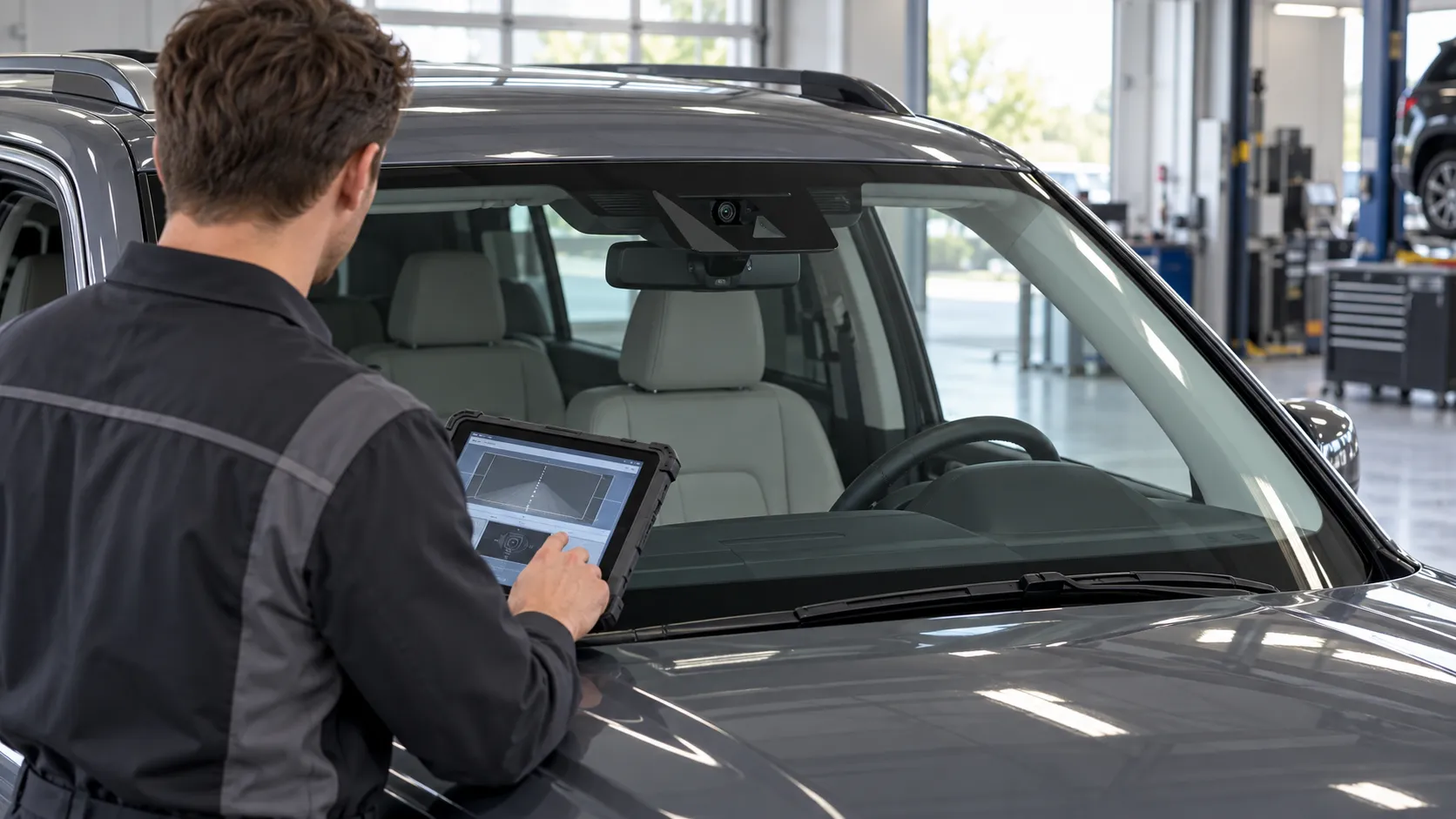
Technician calibrating GMC windshield camera sensor after replacementMany newer Chevrolet and GMC vehicles have driver-assistance features that use a camera positioned near the windshield. Depending on the model and equipment, that camera may support features related to lane awareness or forward collision alerts.
When a windshield is replaced, the camera’s position or view may be affected. Some vehicles require camera calibration as part of the replacement process. The requirements depend on the vehicle’s year, model, trim, and installed equipment.
Before scheduling service, ask whether your vehicle has a windshield-mounted camera and whether calibration will be required. Find out who will perform that work and whether it is included in the estimate. A windshield replacement should be planned around the needs of the specific vehicle, including any required steps for its driver-assistance systems.
This is especially useful to discuss if you depend on those features during highway driving. Until any required work is complete, follow the service provider’s guidance about the system’s status.

What to Tell a Windshield Service Provider

A little information can make it easier to get an accurate assessment. Have your vehicle’s year, make, model, and trim ready when you call. If you know which driver-assistance features it has, mention those too. You can describe where the damage sits and whether the crack appears to be growing.
A photo can be helpful, but it cannot always show the depth of a chip or everything a technician needs to see. Expect the final repair or replacement recommendation to come after the glass is examined.
It is reasonable to ask a few practical questions before authorizing work. What damage did the technician find? Why is repair or replacement recommended? If the windshield is replaced, what glass will be used? Does the vehicle require camera calibration? When will it be safe to drive?
Clear answers can help you understand the work and plan for the time your vehicle will be unavailable.

Check Your Insurance Coverage

If you have auto glass coverage, review your policy before deciding how to pay for the service. Coverage, deductibles, and claim procedures vary. A chip repair and a full windshield replacement may also be handled differently under your policy.
Your insurer can explain your benefits and whether you need to file a claim before scheduling. Ask the service provider for an estimate as well, so you can compare the available options. If camera calibration is needed, make sure you understand how it appears on the estimate and how your insurer will handle it.
Avoid assuming that a windshield service will be free or that a particular deductible applies. Your own policy is the best source for those details.

Caring for Your Windshield Between Service Visits
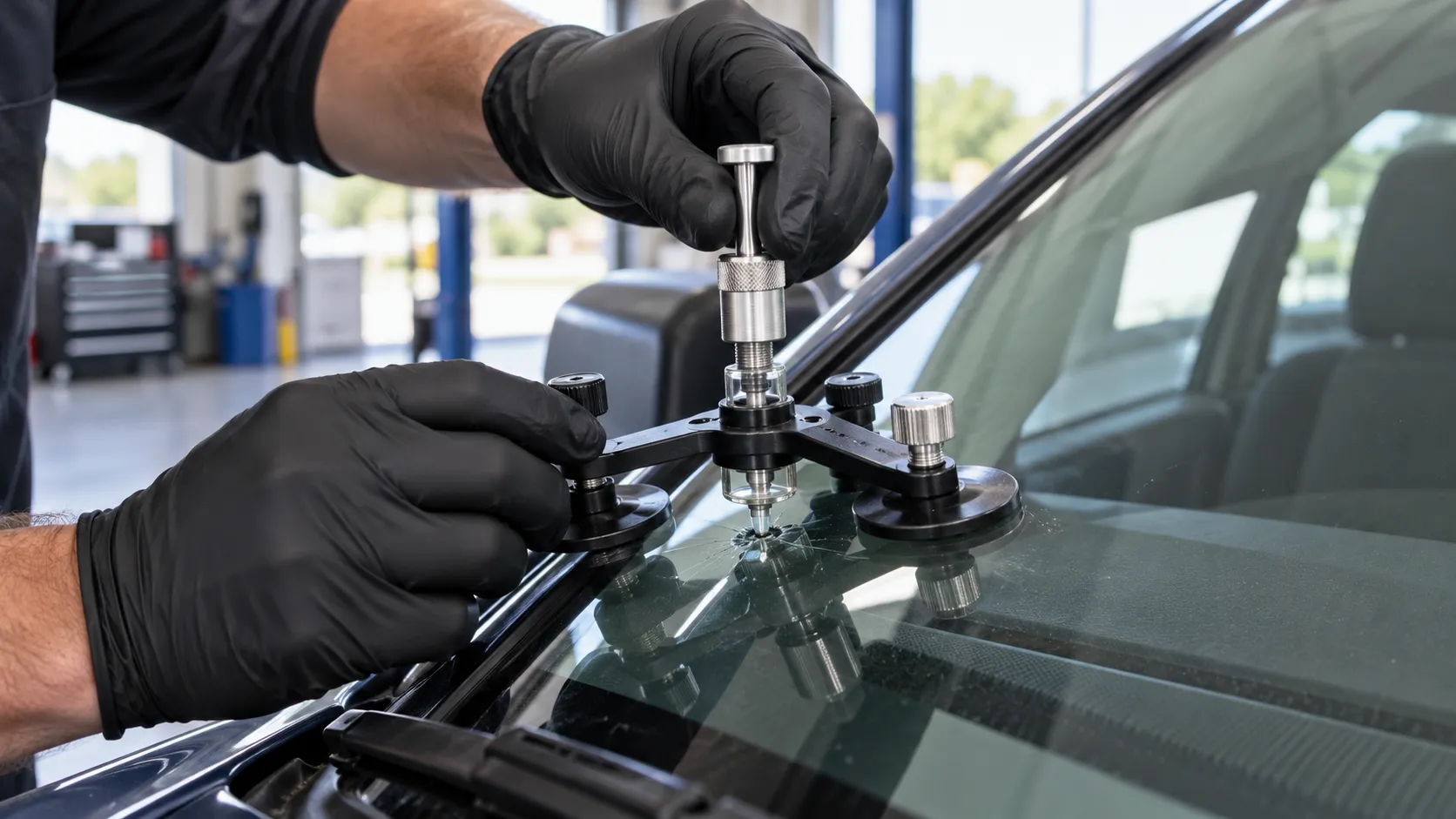
Washing a Chevrolet windshield to check for small chipsYou cannot prevent every rock from hitting your vehicle, but regular attention can help you catch damage early. Look over the windshield when you wash your Chevrolet or GMC, especially after highway travel or driving through construction.
Keep the glass clean so chips are easier to spot. Replace wiper blades that leave streaks or skip across the windshield. If a blade crosses a damaged area, arrange an inspection rather than waiting for the chip to grow.
Most of all, do not judge a chip only by how noticeable it is from the driver’s seat. A small mark can still be worth checking, and a professional assessment will give you a clearer answer than watching it for weeks.

Take the Next Step in Stephenville

A damaged windshield calls for a decision that fits your vehicle and the condition of its glass. Some chips can be repaired. Other damage requires replacement, and newer Chevrolet and GMC models may need additional attention to their camera systems afterward.
If you have noticed a chip or crack, contact Bruner Chevrolet GMC in Stephenville to discuss your vehicle and the best next step. Have a photo of the damage and your vehicle information ready so the service team can help you determine how to proceed.
Recommended Posts

Chevy Silverado 1500 Towing Capacity - Stephenville, TX

Chevy Silverado 1500 Towing Capacity Explained

Chevy Silverado 1500 Towing Capacity: What Can It Actually Pull? If you're shopping for a truck in Stephenville, TX, the Chevy Silverado 1500’s towing capacity is probably one of the first things on your mind. If you're towing a boat, a camper, or a work trailer, knowing what your truck can handle is essential. Getting this wrong can cost you in safety, performance, and long-term wear on your vehicle. The good news is that the 2026 Chevrolet Silverado 1500 is built with serious capability in mind, offering a range of engine and configuration options that let you match the truck to your actual needs. Engine Options and How They Affect Silverado 1500 Towing Capacity The towing capacity for 1500 Chevy Silverado varies depending on which powertrain you choose, and there are several solid options available. A properly equipped Silverado 1500 can tow up to 13,300 lbs when paired with the right engine, cab configuration, and trailering package. The available 6.2-L V8 engine delivers 420 hp and 460 lb-ft of torque and is often the go-to choice for drivers who need maximum pulling power. The 5.3-L V8 with 355 hp and 383 lb-ft of torque is a solid middle-ground option that handles most towing tasks with ease. If you prioritize efficiency without sacrificing capability, the turbocharged 2.7-L four-cylinder engine with 310 hp and a best-in-class 430 lb-ft of torque also offers competitive towing numbers for its class. But if you want maximum towing power, you need the Duramax® 3.0L turbo-diesel engine. It puts out 305 hp and 495 lb-ft of torque, and with a 10-speed automatic transmission, it is the engine that reaches the Silverado’s max 13,300 lb towing capacity. It also has a best-in-class highway fuel economy of 28 MPG. It's worth noting that max towing figures require the available Trailering Package, which adds a trailer hitch, wiring harness, and other components designed to optimize towing performance. Cab and Bed Configurations That Impact Towing Beyond the engine, your choice of cab and bed configuration also affects the towing capacity of Chevy Silverado 1500 models. Generally speaking, a Regular Cab paired with a long bed and two-wheel drive tends to yield higher tow ratings because of weight distribution and payload allowances. Crew Cab models with shorter beds may have slightly lower ratings due to the added weight of the cab. Rear-wheel drive configurations also tend to produce higher tow ratings than four-wheel drive ones, though four-wheel drive offers clear advantages in rough terrain and off-pavement conditions. Trailering Technology That Makes Towing Easier Beyond raw numbers, the 2026 Silverado 1500 brings a suite of available trailering technologies that make the experience safer and more manageable. The available Trailer Camera system, Hitch Guidance with Hitch View, and an in-vehicle Trailering App help take the guesswork out of hitching up and monitoring your load on the road. The towing capacity for 1500 Chevy Silverado gets even more practical with the available integrated Trailer Brake Controller, which works with the truck's systems to help maintain control when slowing down with a heavy trailer in tow. What Can You Actually Tow with a Silverado 1500? When you look at the Silverado's towing capacity in real-world terms, the numbers start to make sense. A properly equipped Silverado 1500 can comfortably handle a loaded horse trailer, a mid-size travel trailer, a ski boat, or a flatbed with equipment. For many recreational users and small business operators, this is exactly the kind of capability they need day to day. Drivers throughout Stephenville, TX, who are hauling livestock, farm equipment, or recreational gear will find the Silverado 1500 more than up to the task across a wide range of scenarios. Find Your Silverado 1500 at Bruner Stephenville GM When you're ready to find a truck that matches your towing needs, the team at Bruner Stephenville GM is here to help. No matter if you're comparing trim levels, engine options, or configurations, they can help you identify the right Silverado 1500 setup for your lifestyle. Browse our new Chevy inventory online now and learn more about the Silverado 1500 towing capacity options available to you today.

Tire Replacement - Stephenville, TX

When to Replace Your Tires

When to Replace Your Tires: Signs It's Time for New Ones Knowing when to replace your vehicle’s tires is one of the most important things you can do to keep yourself and your passengers safe on the road in Stephenville, TX. Tires wear down gradually, and it can be easy to overlook the warning signs until a problem becomes serious. Here is what to watch for so you can stay ahead of it. The Tread Depth Test The most reliable indicator of when to replace tires is tread depth. Tires are considered unsafe when the tread wears down to 2/32 of an inch or less. A quick way to check is the penny test - insert a penny into the tread groove with Lincoln's head facing down. If you can see the top of his head, it is time to start shopping for new tires. Many tires also come with built-in tread wear indicators, which are small raised bars molded into the grooves. When those bars are flush with the surrounding tread, your tires have reached the end of their safe life. Visible Cracks, Bulges, and Sidewall Damage Even if the tread looks acceptable, the sidewall can tell a different story. Look for cracks, cuts, or bulges running along the side of the tire. These can indicate that the internal structure has been compromised, which puts you at risk for a blowout - especially at highway speeds. Bulges are particularly concerning because they often signal a weak spot where the tire could fail without warning. If you spot any sidewall damage, get the tire inspected right away. How Age Affects Your Tires Most tire manufacturers recommend replacing tires every 6 to 10 years, regardless of how much tread remains. Rubber degrades over time due to heat, UV exposure, and oxidation - even when a vehicle is not driven frequently. You can find the manufacturing date on the tire sidewall. Look for a four-digit code at the end of the DOT number - the first two digits are the week, and the last two are the year. If your tires are more than six years old, it is worth having them evaluated by a professional. Vibration and Uneven Wear Patterns If you notice unusual vibration while driving, especially at higher speeds, that could be a sign of an alignment issue, unbalanced tires, or internal tire damage. It is worth getting that checked promptly, as continued driving can accelerate wear. Uneven wear patterns are another signal. If the tread is wearing faster on one side or in the center versus the edges, it often points to improper inflation or an alignment problem. Either way, when you can see with your own eyes that your tires are wearing inconsistently, you need to have them inspected by a professional. Frequent Pressure Loss If a tire consistently loses air pressure between fill-ups, it may have a slow leak or a compromised valve stem. While a patch can sometimes fix a minor puncture, repeated pressure loss in an aging tire often means it is time for a replacement rather than a repair. Do Not Wait Too Long Understanding when your tires need to be replaced can mean the difference between a safe drive and a dangerous situation. Worn or damaged tires affect braking distance, handling, and overall control - particularly in wet or slippery conditions. Drivers in Stephenville, TX, can count on the team at Bruner Stephenville GM for guidance on tire health and vehicle maintenance. If you have questions about what to look for or need a professional inspection, contact us to learn more.

Transmission Fluid Service | Stephenville, TX

How Often to Change Transmission Fluid

How Often Should You Change Your Transmission Fluid? How often do you think about your Chevy’s transmission fluid? It’s not something that we generally think of on a regular basis. But you do need to think about transmission fluid occasionally, since it does need to be changed as part of your vehicle’s regular maintenance routine if you want to keep it running smoothly. So, if you drive a Silverado through rugged terrain or an Equinox around town in Stephenville, TX, knowing when to change your transmission fluid can save you from a costly repair down the road. Why Transmission Fluid is Important Transmission fluid does a lot of heavy lifting. It lubricates moving parts, helps regulate temperature, and keeps your transmission shifting smoothly. Over time, the fluid breaks down, collects debris, and loses its ability to protect internal components effectively. When that happens, you may start to notice sluggish shifts, slipping gears, or unusual noises. Changing your Chevy’s transmission fluid on a consistent schedule is the first step in preventing those issues. How Often to Change Transmission Fluid The general recommendation for most vehicles is every 30,000 to 60,000 miles for automatic transmissions, though some vehicles using synthetic fluid can go up to 100,000 miles between changes. Manual transmissions typically need a fluid change every 30,000 to 45,000 miles. Your owner's manual is always the best reference point for your specific Chevy model and trim. Driving habits are a factor, too. Towing, hauling heavy loads, or frequent stop-and-go driving puts extra stress on your transmission and may require more frequent service intervals. Signs Your Transmission Fluid Needs to Be Changed Even if you're not close to a mileage milestone, your vehicle may give you early warning signs. Dark or burnt-smelling fluid, delayed engagement when shifting into drive or reverse, and rough or jerky gear changes can all indicate that your fluid is overdue for a change. Checking the fluid color and level regularly is a simple habit that can help you catch problems early. If your transmission fluid looks dark brown or black rather than bright red or pink, it's time to schedule a service appointment to get it changed. Manual vs. Automatic Transmission Fluid Automatic and manual transmissions use different types of fluid, and the change intervals are not the same. Automatic transmission fluid is typically used in more complex systems with a torque converter, while manual transmissions use a gear oil or a specific manual fluid. Using the wrong type - or waiting too long between changes - can lead to premature wear. Always confirm the correct fluid type and service interval for your specific Chevy with a qualified technician. Let Us Help You Stay on Schedule Understanding how often to change transmission fluid is important, but keeping up with the actual service is even more critical. No matter if you drive a Colorado, Traverse, Tahoe, or another model in the Chevy lineup, routine maintenance is one of the best ways you can keep your vehicle running in top shape for a long time. Drivers throughout Stephenville, TX can count on the knowledgeable service staff at Bruner Stephenville GM to help keep their Chevy running at its best. Visit us online to schedule your next service appointment today.