







Best Family Car for a Busy Mom in Harbin, West Stephenville: GMC Acadia vs. Chevy Traverse

Question: I am mom living in Harbin in West Stephenville. We have regular sports and activities with my kids. What’s the best family car?
As a busy mom juggling sports, activities, and daily errands in Harbin, having the right family car is essential. Two top contenders that check all the boxes for space, comfort, and versatility are the 2025 GMC Acadia and the 2025 Chevy Traverse. Let’s dive into how they stack up for an active family lifestyle.
Space for the Family and Gear
Both the Acadia and Traverse offer three rows of seating, but the Traverse takes the lead in cargo space. With a whopping 98.2 cubic feet of maximum cargo room, it’s perfect for strollers, sports equipment, and grocery hauls. The Acadia is slightly smaller, offering 79 cubic feet, but its compact design makes it easier to maneuver in tight parking lots and busy streets.
Comfort and Features
The Acadia caters to families with its upscale interior, featuring soft-touch materials and available luxury options like ventilated front seats. The Traverse focuses more on practicality, with generous third-row seating and thoughtful storage solutions like underfloor compartments. Both models offer Apple CarPlay, Android Auto, and Wi-Fi hotspots to keep your kids entertained during long drives.
Safety and Peace of Mind
Safety is non-negotiable for family vehicles, and both SUVs deliver. The Acadia comes standard with GMC Pro Safety, including forward collision warning and lane keep assist. The Traverse’s Chevy Safety Assist offers similar features, but its larger size might feel less nimble for a mom handling daily drop-offs.
Which One is Right for You?
If your priorities are cargo space and third-row comfort, the Chevy Traverse is a strong choice for your busy schedule. However, if you prefer a slightly smaller vehicle that’s easier to park without sacrificing premium features, the GMC Acadia might be your ideal match. Both are excellent ways to keep your family comfortable and ready for whatever the day brings!
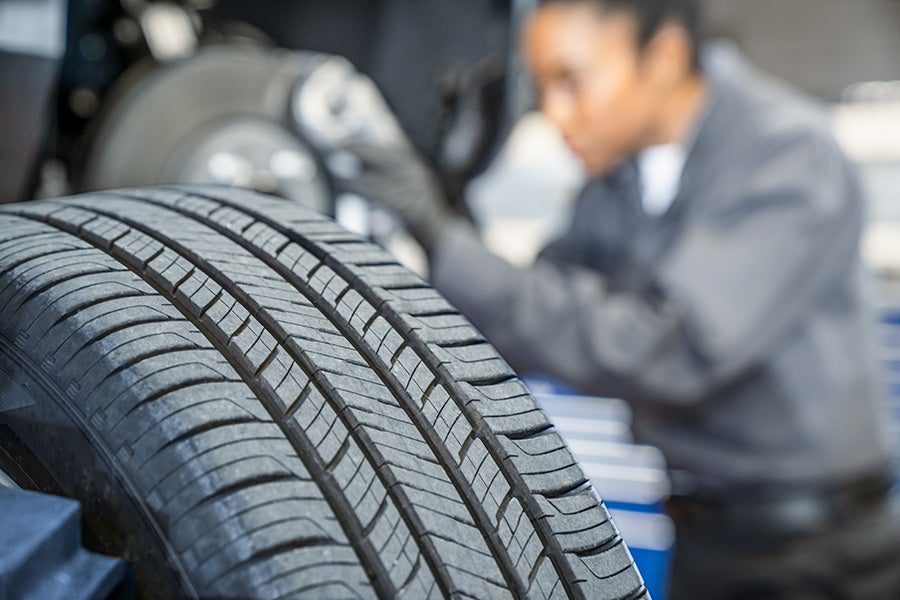
We recently got a great question from a Chevy Silverado owner who loves the rugged, off-road-ready look of their truck’s stock tires but is looking for a replacement that’s better suited for highway driving. It’s a fantastic topic because balancing aesthetics and functionality is something many truck owners can relate to. Here’s a breakdown of tire options that maintain your truck’s bold aesthetic while enhancing on-road comfort and performance.
Stock Tires: Balancing Performance and Style
Most Chevy Silverado models come equipped with all-terrain tires like the Goodyear Wrangler TrailRunner AT or Michelin LTX A/T2. While these provide excellent off-road performance and a tough look, their aggressive tread patterns can lead to increased road noise and a bumpier ride during highway driving.
Top Tire Replacements for Your Silverado
1. Michelin Defender LTX M/S
For Silverado 1500 owners who prioritize a smooth ride and fuel efficiency, the Michelin Defender LTX M/S is a top contender. This tire excels in highway comfort and durability, making it ideal for daily commutes or towing mid-sized trailers. It also features exceptional tread life, reducing the frequency of replacements.
2. BFGoodrich All-Terrain T/A KO2
For Silverado 2500HD and 3500HD owners, the BFGoodrich KO2 is a reliable choice. This tire balances the demands of towing and hauling with improved on-road comfort. It maintains strong off-road performance for heavier configurations while providing quieter highway handling compared to traditional all-terrain options.
3. Falken Wildpeak A/T3W
The Falken Wildpeak A/T3W is a versatile tire suitable for all Silverado configurations. Whether you’re driving a Silverado 1500 for daily use or a 2500HD for towing larger loads, these tires deliver a quieter ride and enhanced stability on highways while preserving off-road capability.
4. Goodyear Wrangler All-Terrain Adventure with Kevlar
This tire is an excellent upgrade for Silverado drivers who want a durable option that performs well both on and off the road. The Kevlar reinforcement ensures toughness for heavy-duty work, making it particularly suitable for Silverado HD models.
Silverado-Specific Considerations
- Towing and Payload Needs: For heavy-duty Silverado 2500HD and 3500HD owners, ensure the tire load index meets your towing and payload requirements.
- Trim-Level Customization: Silverado trims like the Z71 often come with off-road-specific setups. Upgrading tires to suit your trim’s features can enhance performance.
- Size Compatibility: Silverado 1500 owners might prefer 17-20” tires, while HD models often require larger sizes (18-22”) to match their rugged frame.
Your Chevy Silverado deserves tires that enhance its performance and match its bold aesthetic. By selecting the right tires tailored to your truck’s configuration—whether it’s a Silverado 1500 for daily use or a 3500HD built for heavy-duty work—you can enjoy a quieter, more comfortable highway ride while retaining the rugged style Silverado drivers love.
Upgrade your Silverado’s tires today by going to Bruner’s tire finder and experience the perfect combination of style, comfort, and capability!
How to Trade-in a Car That Has a Loan

Trading in a vehicle that still has an outstanding loan might appear daunting, but it can be a smooth experience if you follow these steps:
1. Know Your Loan Balance
Begin by reaching out to your lender to obtain your loan payoff amount. This figure represents the total needed to settle your loan, which may include any fees or interest that have accumulated since your last payment.
2. Assess Your Car’s Trade-In Value
Next, look up your car’s trade-in value using tools like Kelley Blue Book or Edmunds. This information will give you an idea of what the dealership might offer for your vehicle.
3. Calculate Your Equity
Subtract your loan payoff amount from the trade-in offer. If your car’s value exceeds your loan balance, you have positive equity that can be used toward your new vehicle purchase. Conversely, if your loan balance is higher than the trade-in value, you’ll face negative equity, meaning you’ll need to pay the difference.
4. Explore Your Options with the Dealership
Many dealerships can manage loan payoffs for you. If you have positive equity, it will lower the price of your new car. If you have negative equity, the dealership may incorporate the remaining balance into your new loan, which could raise your monthly payments.
5. Finalize the Trade-In and Purchase
Once you agree on the terms, the dealership will take care of the paperwork, including settling your current loan. Make sure to review the contract thoroughly to confirm that all details are correct.
Trade In Your Car Today at Bruner Motors!
Many times dealers will have additional incentives for certain makes and models to help you get out of your current vehicle. There are additional tax savings for trading in your vehicle vs selling it yourself. For example, if you trade in a vehicle with $5000 in equity it will reduce your new car taxable amount by $5000. Whereas if you sell your vehicle yourself you would pay taxes on the entire amount.
At Bruner Motors, we simplify the process of trading in your vehicle with a loan. Let us manage the details while you concentrate on selecting your next car. Visit us today to begin your journey and drive away in a vehicle you’ll adore!
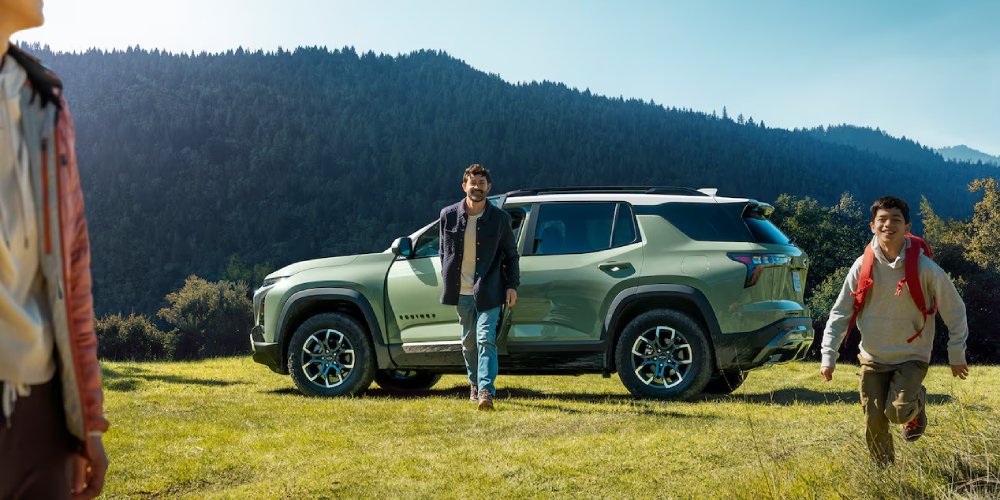
The 2025 Chevy Equinox is here, and it’s making quite an entrance. While Chevrolet is rolling out an electric version of the Equinox, they haven’t neglected the gas-powered model that so many drivers know and love. This year’s model has undergone a substantial redesign, introducing a bolder look, upgraded technology, and even some new trims. If you’re considering a compact SUV, the Equinox brings a lot to the table with its reputation for quality and reliability.
A Bold New Look
The 2025 Equinox’s exterior has been refreshed, with squared-off wheel wells, eye-catching fender flares, and sleek all-LED lighting that gives it a modern edge. Each trim level has its own distinct front bumper, offering unique personality options whether you choose the adventurous Activ, the sportier RS, or the versatile LT. Plus, this year’s model is 2.3 inches wider than its predecessor, enhancing both its road presence and stability.
Updated Technology for a Modern Drive
Inside, the Equinox offers an 11.3-inch infotainment screen with Google built-in, providing seamless connectivity and a large digital gauge cluster that keeps you informed on the go. Chevy has also relocated the gear shift to the steering column, creating more room in the center console and giving the cabin a sleeker look. The drive mode selector, available on RS and Activ trims, allows drivers to choose between Normal, Snow, and Off-Road modes, making the Equinox a versatile companion in various driving conditions.
A Trim for Every Taste
The 2025 Equinox is offered in three trims: LT, Activ, and RS. Each trim brings a unique experience to the table:
- LT: This trim is perfect for those who want a well-rounded vehicle with comfort and features to match. It offers all the essentials with Chevy’s signature reliability.
- Activ: New this year, the Activ trim is designed for adventurous spirits. With enhanced styling and a drive mode selector, it’s ready for both city streets and dirt trails.
- RS: The RS trim adds a sporty flair to the Equinox, with unique styling elements and the drive mode selector that tailors the drive to different terrains.
Powertrain Options and Performance
The 2025 Equinox is powered by a 1.5-liter turbocharged I-4 engine, which delivers a respectable 175 horsepower. Front-wheel drive (FWD) models come with a continuously variable transmission (CVT), while all-wheel drive (AWD) models receive an eight-speed automatic transmission for a smoother, more traditional feel. Choosing the AWD option also boosts the towing capacity to 1,500 pounds, adding extra versatility for weekend getaways or hauling gear.
Unmatched Reliability
Beyond its impressive new features, the 2025 Equinox continues to deliver the quality and dependability that Chevy fans expect. It ranked 1 for new vehicle quality among compact SUVs in 2023 and 1 for long-term dependability in 2024, according to J.D. Power. With accolades like these, it’s clear that the Equinox is built to go the distance, giving you peace of mind on the road.
In conclusion, the 2025 Chevy Equinox offers an exciting blend of new features and tried-and-true dependability. With its bold redesign, upgraded tech, and varied trim options, there’s an Equinox for every type of driver. Whether you’re looking for a reliable family vehicle or an SUV that’s ready for adventure, the Equinox is ready to take you where you want to go. And Bruner Motors can help you get there. Contact us for more information or sign up for a test drive today!
5 Questions to Ask When Buying a Used Car

Buying a used car can be a smart financial decision, but it’s important to approach the process with the right questions to ensure you’re getting the best deal. Whether you’re buying from a dealership or a private seller, asking the right questions will help you make an informed decision. Here are five key questions to consider when purchasing a used vehicle.
1. What Should I Look for When Buying a Used Car?
One of the first things to ask yourself is what features are most important to you in a used car. Are you looking for reliability, fuel efficiency, or advanced tech features? It’s essential to consider the vehicle’s history as well. Request a vehicle history report (like CARFAX) to check for any accidents, repairs, or previous ownership details.
Additionally, ask about the vehicle’s maintenance history and whether it has undergone regular servicing. Check for signs of wear and tear, especially on high-mileage vehicles. Be sure to take the car for a test drive to check the brakes, steering, and transmission. It’s also wise to have a trusted mechanic inspect the vehicle before making a final decision.
2. What Should I Do After Buying a Used Car?
After purchasing your used car, there are several steps to ensure you’re starting off on the right foot. First, make sure you have all the necessary paperwork, including the title, bill of sale, and any warranty documents if applicable. If you’re buying from a dealer, they should assist you with the registration and title transfer. If you’re buying from a private seller, make sure to complete this process at your local Department of Motor Vehicles (DMV) or relevant agency.
Next, get the car insured immediately, as driving without insurance can lead to fines or legal trouble. It’s also a good idea to take the car to a mechanic for a thorough inspection, even if it was checked before the purchase. This way, you can address any minor issues before they become larger problems. Finally, familiarize yourself with the vehicle’s maintenance schedule and make sure you follow it to keep your car in good working condition.
3. Should I Buy from a Dealer or a Private Seller?
When buying a used car, you’ll have the option to purchase from a dealer or a private seller. Each has its pros and cons.
Buying from a dealer offers several advantages, including certified pre-owned (CPO) vehicles, which have undergone extensive inspections and often come with extended warranties. Dealerships can also offer financing options and are required to follow consumer protection laws, giving you more peace of mind.
Buying from a private seller, on the other hand, comes with greater risk. Private sales usually don’t come with warranties, and you won’t have access to dealer-provided inspection reports. Be sure to ask for the vehicle’s history and get the car thoroughly checked by a mechanic before proceeding with a private sale.
4. When Is the Best Time to Buy a Used Car?
Timing can significantly impact the price you pay for a used car. Generally, the best time to buy is during the end of the month or quarter, when dealers may be trying to meet sales targets and may be more willing to negotiate.
The end of the year, particularly around the holiday season, is also a great time to shop, as dealerships are clearing out inventory to make room for new models. Additionally, keep an eye out for tax refund season, when dealerships often offer special incentives and discounts.
5. Where Should I Buy a Used Car?
When it comes to finding the perfect used car, the answer is clear: Bruner Motors Stephenville. At Bruner Motors Stephenville, you’ll find a wide selection of used and certified pre-owned vehicles from top brands like GMC, Toyota, Chevrolet, and Ford, among others. Whether you’re looking for a reliable sedan, a spacious SUV, or a tough pickup truck, Bruner Motors Stephenville has the inventory and expertise to help you find the perfect vehicle for your needs.
In addition to our selection of high-quality vehicles, Bruner Motors Stephenville offers transparent pricing, thorough vehicle inspections, and a commitment to customer satisfaction. With our certified pre-owned program, you can have peace of mind knowing that each car has been carefully inspected and comes with added protection. Plus, we provide financing options to make your purchase as smooth and convenient as possible.
Buying a used car can be a rewarding experience if you ask the right questions and take the time to do your research. Whether you’re comparing dealerships to private sellers, considering the best time to buy, or thinking about where to buy, these questions can guide you to make a confident decision. And when it’s time to purchase, remember that Bruner Motors Stephenville offers a wide selection of high-quality used cars, making it the perfect place to find your next vehicle.
The Benefits of Used Cars

Buying a used car can be a smart and cost-effective decision, but it’s important to approach the process with the right knowledge. Whether you’re looking to save money, find a reliable vehicle, or get more value for your budget, a used car can offer numerous benefits. Here’s what you need to know when considering a pre-owned vehicle.
What to Look for When Buying a Used Car
When buying a used car, start by checking the vehicle’s history report to ensure there are no hidden issues like accidents or major repairs. Inspect the exterior and interior for any signs of wear and tear and look under the hood to check the engine and other critical components. A professional inspection by a trusted mechanic can also provide peace of mind.
How to Buy a Used Car
The best way to buy a used car is to visit a reputable dealership. Bruner Stephenville offers a wide selection of quality pre-owned vehicles, and our knowledgeable staff can help you find the right car that fits your needs and budget. We provide transparent pricing, and our vehicles undergo rigorous inspections to ensure they meet our high standards.
How Many Miles Should a Used Car Have?
A common question is, “How many miles should a used car have?” While there’s no one-size-fits-all answer, a good rule of thumb is to consider the car’s age and how well it’s been maintained. Typically, a car driven about 12,000 to 15,000 miles per year is average. Higher mileage isn’t necessarily a deal-breaker if the car has been well cared for.
Can You Lease a Used Car?
Yes, you can lease a used car, though it’s less common than leasing a new one. Leasing a used car can be an excellent option if you’re looking for lower monthly payments and shorter lease terms. Bruner Stephenville offers flexible leasing options to fit your needs.
How to Test Drive a Used Car
When test driving a used car, pay attention to how it handles, the responsiveness of the brakes, and any unusual noises. Test the car in various conditions, such as on highways and city streets, and check that all features, including air conditioning, lights, and electronics, are functioning correctly.
What is the Best Way to Sell My Used Car?
The best way to sell your used car is to trade it in at our dealership. We offer competitive trade-in values, making it easy to put your old car’s value toward your next purchase. Our team can handle all the paperwork, ensuring a hassle-free process.
Buying a used car doesn’t have to be complicated. Visit Bruner Stephenville today to explore our inventory and discover the benefits of choosing a pre-owned vehicle.
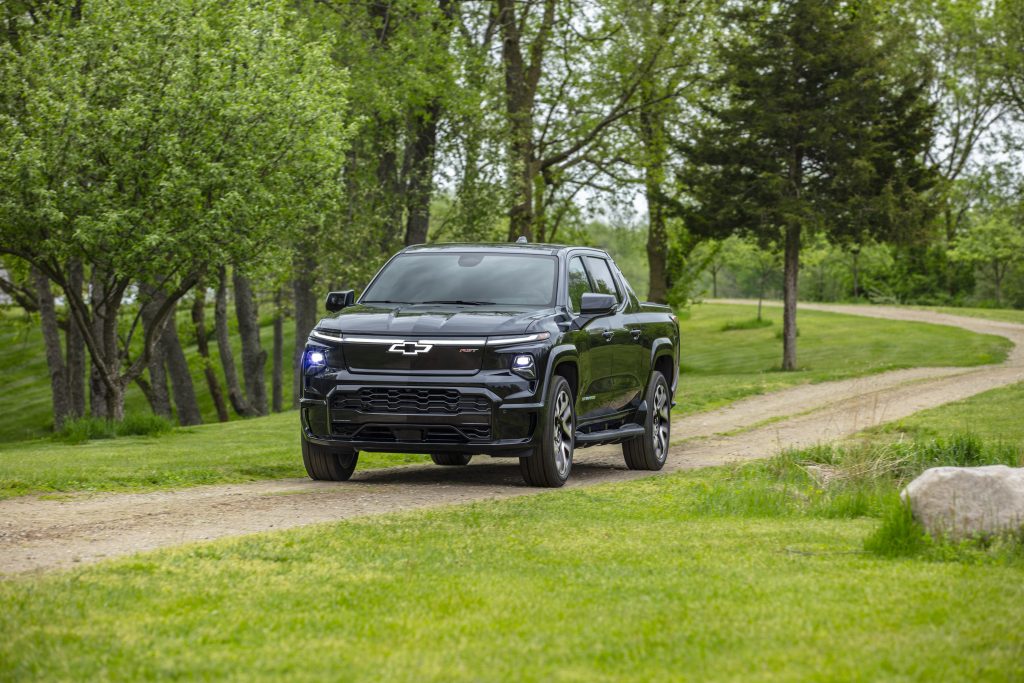
The automotive industry is on the brink of transformation with the introduction of the all-electric Chevrolet Silverado EV, a pioneering innovation poised to redefine the pickup truck segment. Chevrolet, leveraging its rich heritage and advanced technology, offers this state-of-the-art electric vehicle with a promise of power, efficiency, and sustainability.
Ultium Battery Platform: Power and Efficiency
At the heart of the Silverado EV is General Motors’ Ultium battery platform, a versatile and potent foundation that ensures exceptional range and performance. The truck delivers impressive stats, boasting up to 400 miles of range on a full charge, making it suitable for both daily commutes and long-distance journeys. It’s equipped with fast-charging capabilities that can add 100 miles of range in just 10 minutes with DC fast charging, reducing downtime and enhancing convenience for users.
Trims to Suit Every Driver
The Silverado EV comes in multiple trims, including the WT (Work Truck) and the luxurious RST First Edition, catering to varying needs and preferences. Each model is engineered with electric-specific features that optimize performance and utility. The vehicle’s four-wheel steering and independent suspension provide precise control and a smooth ride, further underscoring its advanced engineering.
Intelligent Design and Smart Utility
Aesthetic and functional design elements converge in the Silverado EV’s spacious interior, which includes a configurable storage system adaptable for diverse cargo needs. This electric pickup truck is not just about power but also about smart utility. The Multi-Flex Midgate and Multi-Flex Tailgate expand the truck bed’s versatility, offering an array of configurations to handle both work and recreational needs.
Advanced Technology and Connectivity
Tech-savvy users will appreciate the intuitive cockpit, integrated with state-of-the-art infotainment and connectivity features. An expansive 17-inch diagonal free-form screen, augmented with driver assistance technologies, ensures a seamless and safe driving experience. This electric vehicle integrates over-the-air updates, allowing constant access to the latest features and performance improvements.
Comprehensive Safety Features
Safety remains paramount, with the Silverado EV equipped with a comprehensive suite of active safety and driver assistance features. These include Super Cruise, an industry-first true hands-free driver assistance system that works on over 200,000 miles of compatible roads across the United States and Canada.
Commitment to Sustainability
The Silverado EV represents Chevrolet’s commitment to a sustainable future, delivering an eco-friendly alternative without compromising on the power, functionality, and ruggedness synonymous with the Silverado name. This electric powerhouse is set to not only meet but exceed the expectations of new-era drivers who demand efficiency, style, and versatility in their vehicles. Chevrolet’s all-electric Silverado EV is a groundbreaking step into the future of automotive innovation, merging the brand’s legacy of durability with cutting-edge electric technology. It’s an exciting addition to the EV market that promises to revolutionize the way we perceive and utilize pickup trucks. Contact us to schedule a test drive today!
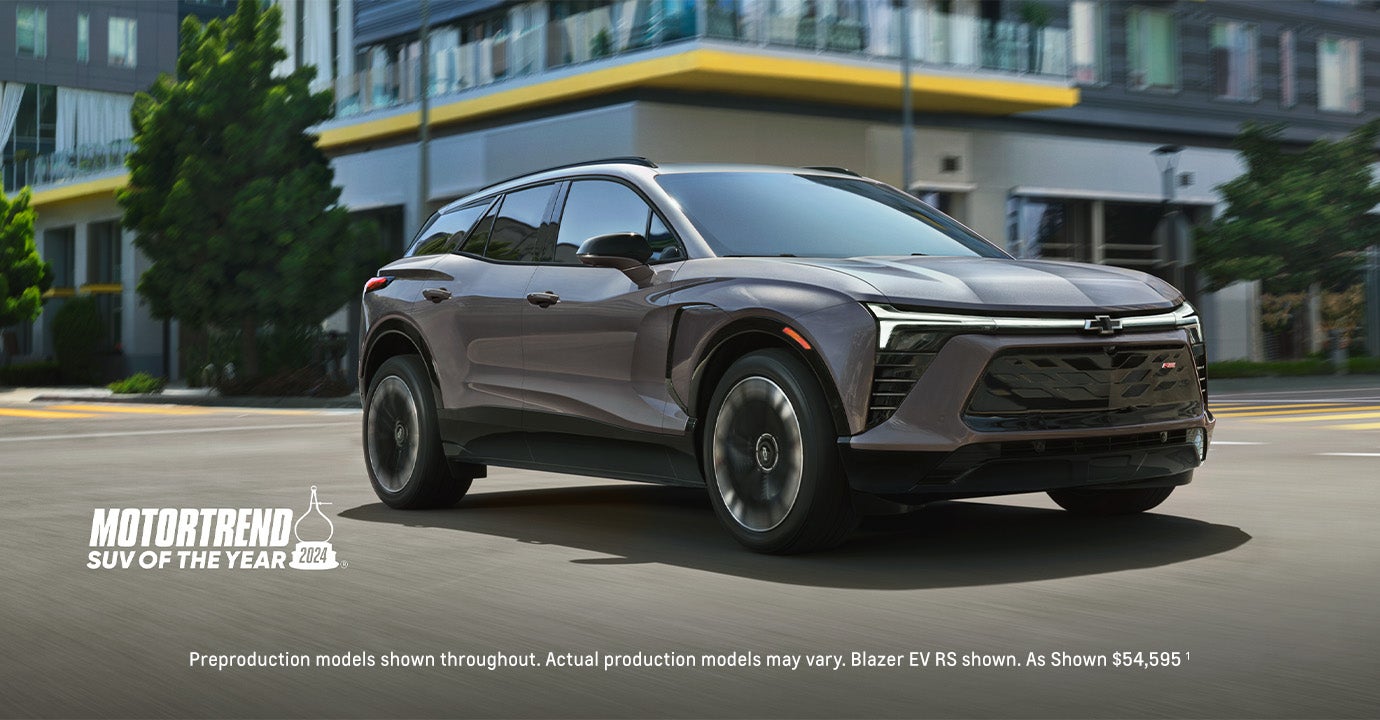
The automotive world is buzzing with excitement over the release of the 2024 Chevrolet Blazer EV. As a significant step forward in Chevrolet’s electric vehicle (EV) lineup, the new Blazer EV promises to deliver impressive performance, cutting-edge technology, and enhanced features over its predecessors. This article delves into the key aspects of the 2024 Blazer EV, including its eligibility for tax credits, improvements over the previous model, and detailed specifications across its three trims.
Tax Credit Eligibility
One of the most attractive aspects for potential buyers is the Blazer EV’s qualification for federal tax credits. Under the current federal guidelines, electric vehicles assembled in North America with batteries sourced from compliant suppliers are eligible for tax incentives up to $7,500. The 2024 Chevrolet Blazer EV meets these requirements, making it an appealing option for eco-conscious consumers looking to reduce their carbon footprint and save on their purchase.
Improvements Over Previous Models
The 2024 Chevrolet Blazer EV showcases several improvements over the previous model, reflecting Chevrolet’s commitment to innovation and customer satisfaction. Key enhancements include:
- Extended Range: The new Blazer EV offers an extended driving range of up to 320 miles on a full charge, a significant increase from the previous model’s 250-mile range.
- Faster Charging: With DC fast charging capabilities, the 2024 model can recharge up to 80% in approximately 30 minutes, reducing downtime and improving convenience for drivers.
- Enhanced Performance: The Blazer EV now features a more powerful electric motor, delivering up to 400 horsepower and 450 lb-ft of torque, ensuring a smooth and responsive driving experience.
- Advanced Technology: The infotainment system has been upgraded to include a larger 15-inch touchscreen display, seamless smartphone integration, and improved navigation systems.
Trim Levels and Specifications
The 2024 Chevrolet Blazer EV is available in three distinct trims: LT, RS, and SS, each offering unique features to cater to different preferences and needs.
LT Trim
- Battery Range: Up to 300 miles
- Power: 300 horsepower
- Standard Features: LED headlights, 18-inch alloy wheels, cloth upholstery, and a 12-inch digital instrument cluster.
RS Trim
- Battery Range: Up to 320 miles
- Power: 350 horsepower
- Standard Features: 20-inch wheels, leather seats, a panoramic sunroof, and a premium Bose audio system.
SS Trim
- Battery Range: Up to 290 miles
- Power: 400 horsepower
- Standard Features: 21-inch wheels, sport-tuned suspension, ventilated front seats, and an adaptive cruise control system.
Awards and Recognition
In 2024, the Chevrolet Blazer EV has garnered several prestigious awards, underscoring its excellence in the EV market. Notable accolades include:
- North American Utility Vehicle of the Year: Recognizing its superior performance, design, and innovation.
- Green Car Journal’s Green SUV of the Year: Highlighting its environmental benefits and advanced electric technology.
- 2024 MotorTrend SUV of the Year: Showcasing its ability to democratize electric driving, showcasing Chevrolet’s continued excellence in advancing EV technology and meeting evolving market demands.
The 2024 Chevrolet Blazer EV represents a significant leap forward in the electric vehicle market, combining impressive range, powerful performance, and advanced technology. With its eligibility for substantial tax credits, it stands as a compelling option for those looking to transition to an electric vehicle. Whether you choose the LT, RS, or SS trim, the Blazer EV promises to deliver a driving experience that is both thrilling and sustainable. Visit our site to learn more about the Chevy Blazer EV, and to see a live inventory.
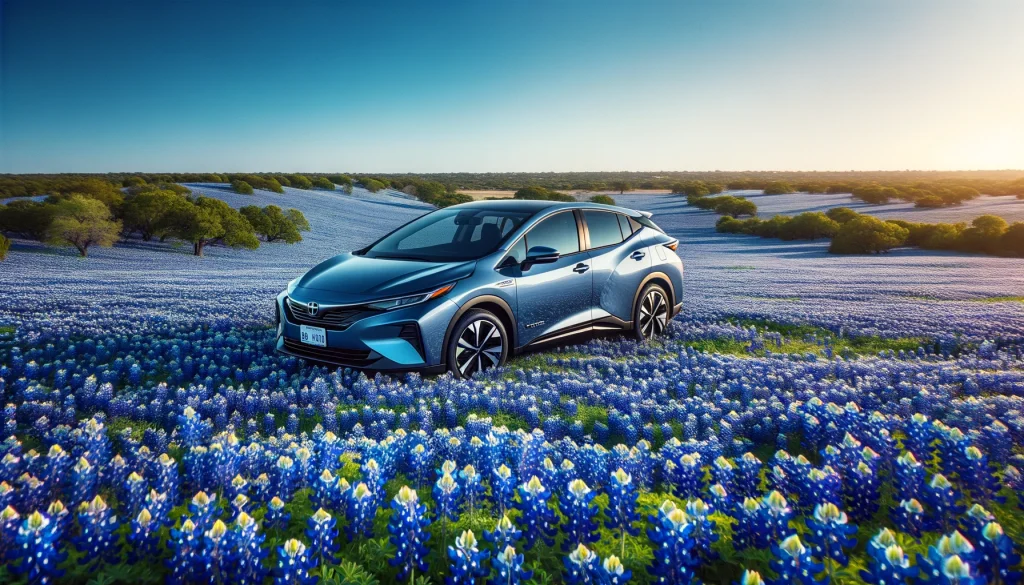
Electric vehicles (EVs) and hybrid vehicles (HEVs) represent two innovative approaches in the automotive industry aimed at reducing reliance on fossil fuels and decreasing emissions. Each type offers distinct benefits and challenges, shaping consumer choice based on lifestyle, economic considerations, and environmental impact. Here, we explore these two types of vehicles, including a specific look at an example from the EV market, the Hummer Electric Vehicle.
Advantages of Electric Vehicles (EVs)
- Zero Emissions: EVs operate solely on electric power, which means they emit no pollutants from their exhaust systems. This starkly contrasts with internal combustion engines and even hybrids, which still emit some pollutants when the gasoline engine is in use.
- Reduced Operating Costs: Electric vehicles are generally cheaper to maintain than their gasoline-powered counterparts. They have fewer moving parts, which reduces the likelihood of mechanical failures. The cost of electricity to power an EV can also be significantly lower than the cost of gasoline, depending on local energy prices.
- Performance Benefits: Electric motors provide instant torque, which can enhance the acceleration capabilities of EVs compared to traditional engines. This results in a smoother and often more responsive driving experience.
- Government Incentives: Many governments offer tax rebates, incentives, and benefits to encourage the adoption of EVs, including reduced registration costs and exemptions from certain fees. Learn about the tax credits for hybrid and electric vehicles at fueleconomy.gov.
Disadvantages of Electric Vehicles
- Range Anxiety: Despite advancements in battery technology, many EVs still offer a limited range compared to gasoline vehicles. This can be a concern for users who travel long distances frequently.
- Charging Time: While refueling a gasoline car takes minutes, charging an electric car can take several hours depending on the charging station and the battery’s capacity. However, the advent of fast-charging technology is beginning to mitigate this issue.
- Higher Initial Purchase Price: Generally, EVs are more expensive to purchase than comparable gasoline and hybrid cars. This is largely due to the high cost of battery technology, though prices are steadily decreasing.
Advantages of Hybrid Vehicles (HEVs)
- Fuel Efficiency: Hybrids offer great fuel efficiency by combining an electric motor with a gasoline engine. The electric motor can power the car at lower speeds, and the gasoline engine can kick in for higher speeds or when additional power is needed, reducing overall fuel consumption.
- Flexibility: Hybrids eliminate range anxiety as they can switch to gasoline when the battery is depleted. This makes them a more versatile choice for many drivers.
- Lower Emissions Than Gasoline Vehicles: By utilizing both an electric motor and a gasoline engine, hybrids can significantly reduce emissions compared to traditional cars, although they are not as clean as pure electric vehicles.
Disadvantages of Hybrid Vehicles
- Complexity and Maintenance: Hybrids are more complex than either purely gasoline or electric vehicles. This complexity can lead to higher maintenance costs and potential reliability issues.
- Less Efficient on Highways: While hybrids are most efficient in stop-and-go traffic where the electric motor is most beneficial, their advantages diminish at highway speeds where the gasoline engine dominates.
- Cost: Hybrids can be more expensive than traditional vehicles due to their dual-system components.
Case Example: Hummer Electric Vehicle
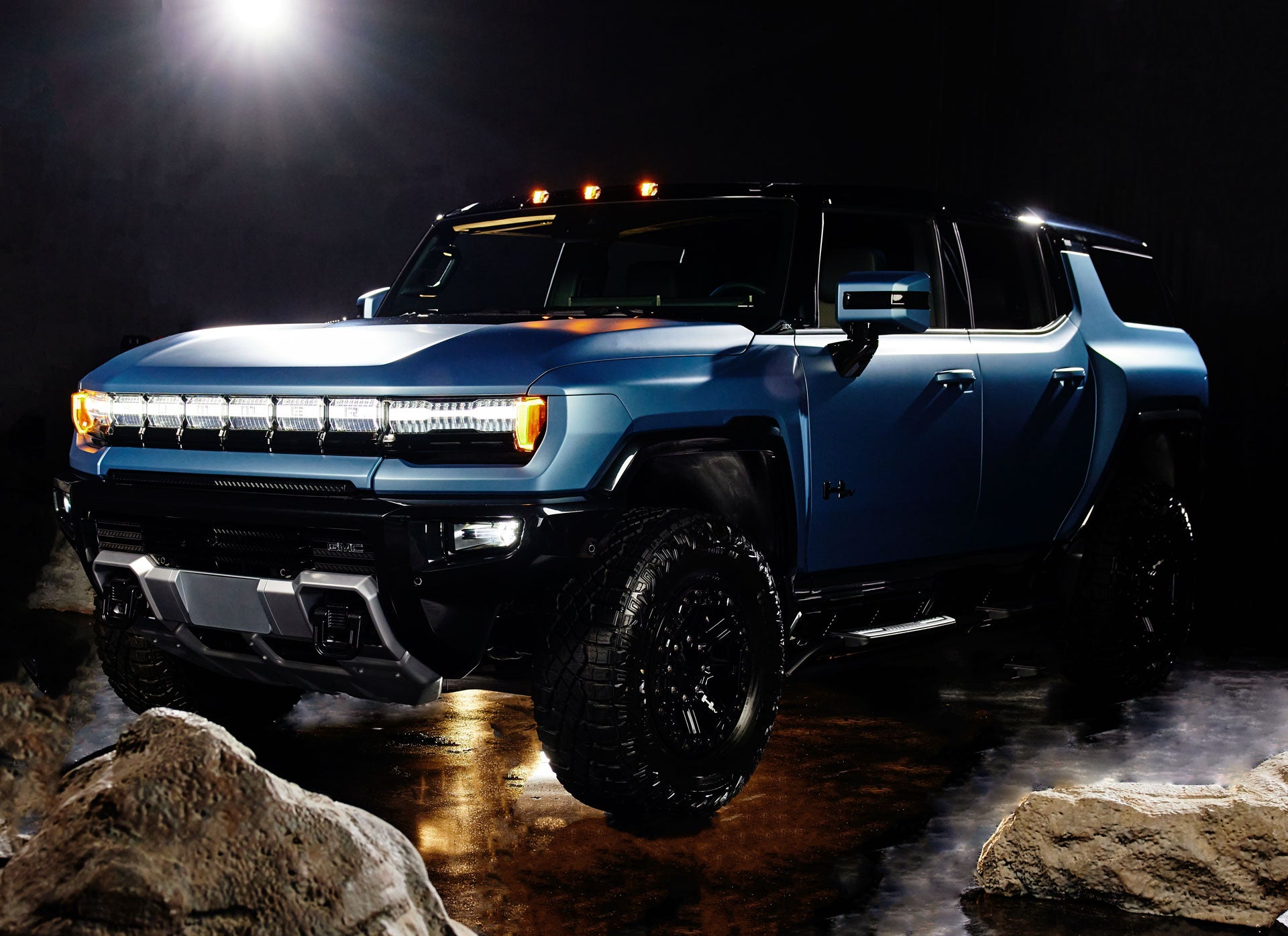
The Hummer EV is a striking example of how far EV technology has come. Once known for its gas-guzzling models, the Hummer brand has been revived by General Motors with a focus on electric power. The new Hummer EV boasts impressive capabilities, including a 350-mile range on a single charge, fast charging, and high horsepower, making it competitive not only as an EV but in the luxury vehicle market as well. It highlights the shift in the automotive industry towards sustainability without compromising on power and performance.
In conclusion, both EVs and HEVs offer unique advantages and come with their own set of challenges. The choice between an electric and a hybrid vehicle will largely depend on individual needs, preferences, and priorities, with considerations for environmental impact, technology, cost, and driving habits playing pivotal roles. Contact us to discuss your individual electric vehicle needs.
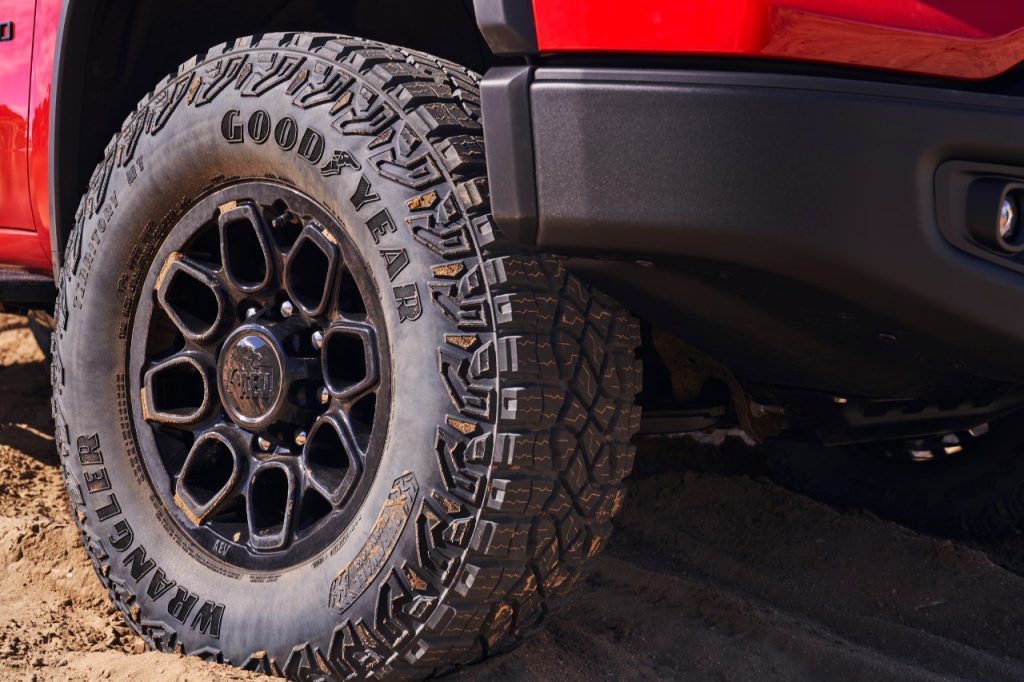
The Chevy Colorado ZR2 is a popular choice among off-road enthusiasts due to its robust capabilities and adaptable design. One common modification for any off-road vehicle is upgrading the tires for better traction and performance. However, it’s crucial to select the right tire size to avoid any rubbing or clearance issues. This article answers key questions about the optimal tire sizes for the Chevy Colorado ZR2, ensuring a smooth upgrade.
What Size Tires Can the Chevy Colorado ZR2 Fit Without Rubbing?
The Chevy Colorado ZR2 comes factory-equipped with 31-inch tires (265/65/R17). These tires offer a balanced performance, providing adequate clearance and minimal risk of rubbing under normal driving conditions and moderate off-roading. For those looking to enhance their ZR2’s capabilities without modifying the suspension, the maximum tire size recommended without any modifications is typically around 32 inches (265/70/R17).
When considering upgrading to 32-inch tires, it’s essential to ensure that the tire’s width and profile will not interfere with the vehicle’s suspension and wheel wells, especially during full articulation or when the steering is fully turned. These tires offer a slight increase in ground clearance and can handle rougher terrain than the standard factory-issued tires.
What Are the Biggest Tires I Can Put on My Chevy Colorado ZR2?
For Chevy Colorado ZR2 owners looking to maximize their tire size, the largest size recommended without significant modifications is 33 inches (275/70/R17). Fitting 33-inch tires on a ZR2 may require minor modifications such as adjusting the wheel well liners or slight trimming of the fender flares to avoid rubbing at full turn or during suspension compression.
However, if you’re willing to undertake more extensive modifications, such as a lift kit or more aggressive adjustments to the fenders and wheel wells, you could potentially fit tires up to 35 inches. It’s important to note that increasing tire size beyond 33 inches could affect the vehicle’s handling, fuel efficiency, and might require additional changes to the gearing and suspension to maintain drivability and comfort.
Choosing the right tire size for your Chevy Colorado ZR2 is crucial for maintaining its performance and drivability. The ZR2 can comfortably accommodate up to 32-inch tires without any modifications, and up to 33-inch tires with minor adjustments. If you aim to go bigger, be prepared for more significant modifications and consider how these changes will affect your vehicle’s overall functionality. Always consult with a Bruner professional to ensure that your upgrades enhance your driving experience without compromising the vehicle’s integrity.
Connect with us


- June 2026
- May 2026
- April 2026
- March 2026
- February 2026
- January 2026
- December 2025
- November 2025
- October 2025
- September 2025
- August 2025
- July 2025
- June 2025
- May 2025
- March 2025
- February 2025
- January 2025
- November 2024
- October 2024
- September 2024
- August 2024
- July 2024
- June 2024
- May 2024
- April 2024
- March 2024
- January 2024
- December 2023
- November 2023
- October 2023
- September 2023
- August 2023
- July 2023
- June 2023
- May 2023
- April 2023
- March 2023
- January 2023
- December 2022
- November 2022
- October 2022
- September 2022
- August 2022
- September 2021
Archives
- Automotive Industry
- Buyer's Guide
- Car Maintenance
- Car News
- Chevy dealership
- Chevy Equinox
- Chevy Silverado 1500
- Chevy Silverado 2500 HD
- Chevy Silverado 3500 HD
- Chevy Suburban
- Chevy Tahoe
- Chevy Trax
- Day Trips
- Financing
- GMC Acadia
- GMC Canyon
- GMC dealership
- GMC HUMMER EV SUV
- GMC Sierra 1500
- GMC Sierra 2500 HD
- GMC Yukon
- GMC Yukon XL
- Leasing
- Local Restaurants
- Pre-owned Vehicles
- Uncategorized